Kyoto International Manga Museum combines a museum, a reading space and a research collection. Those functions overlap, but they do not give visitors identical access. The distinction matters if you are expecting to read a particular magazine, find translated manga or watch an artist work.
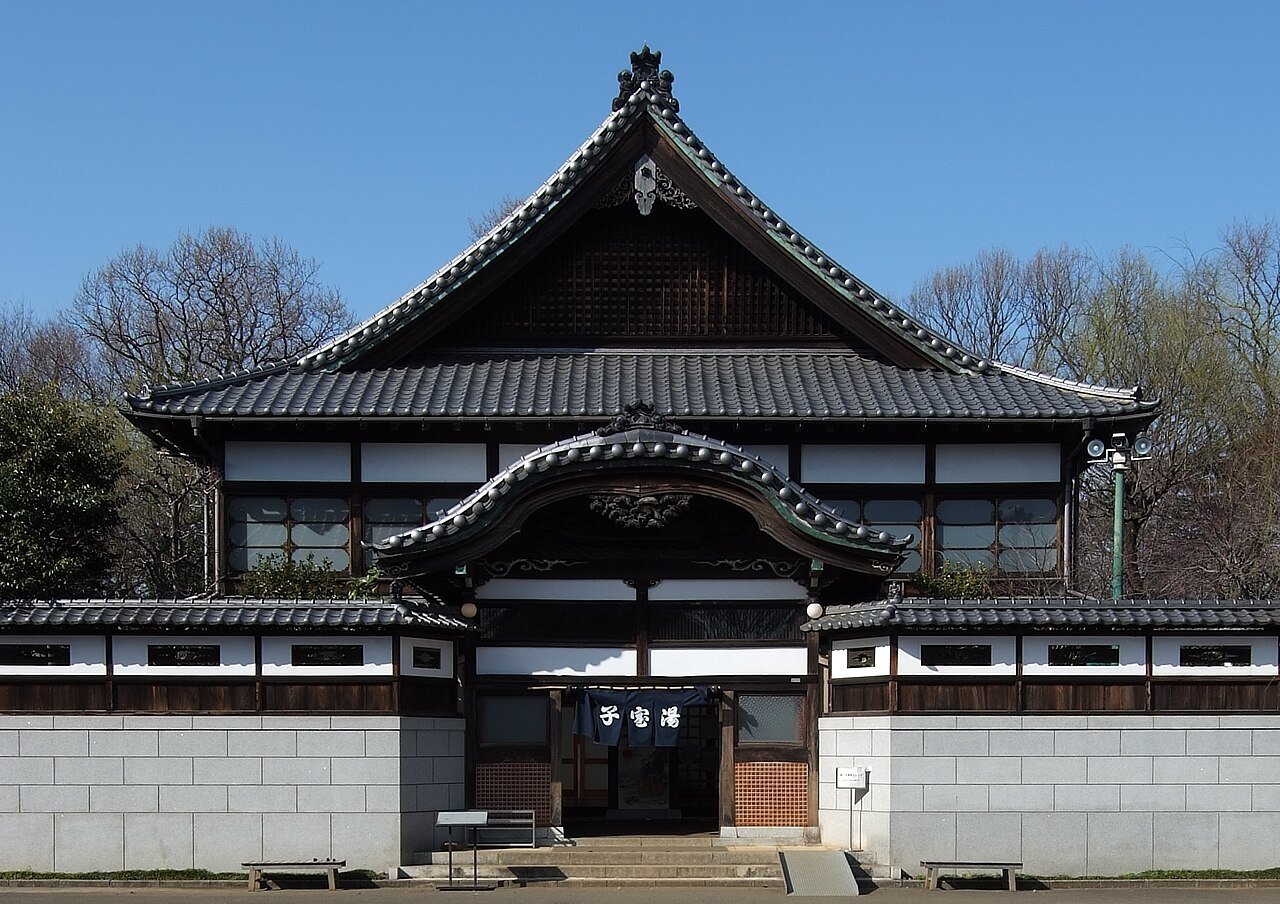
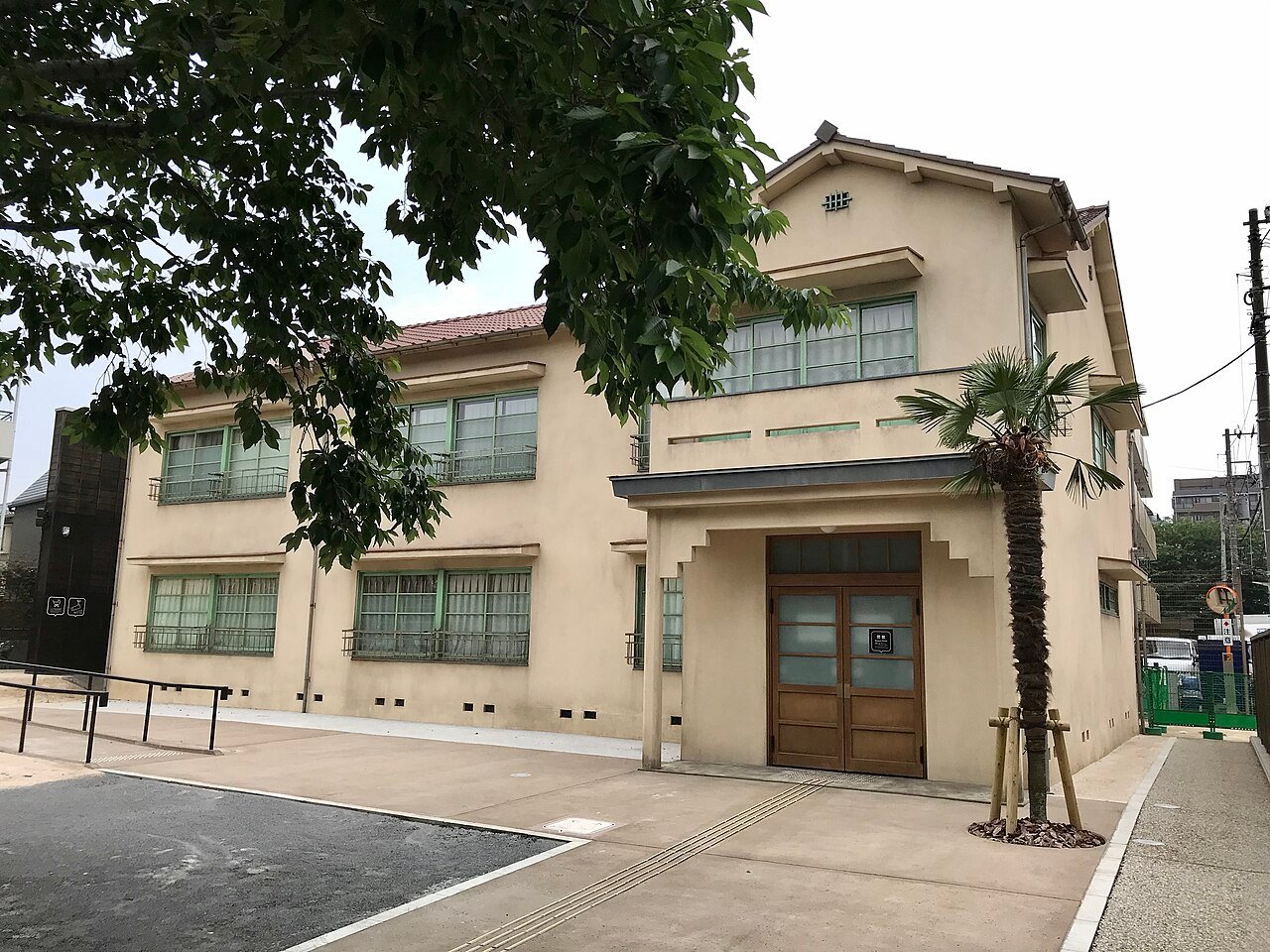
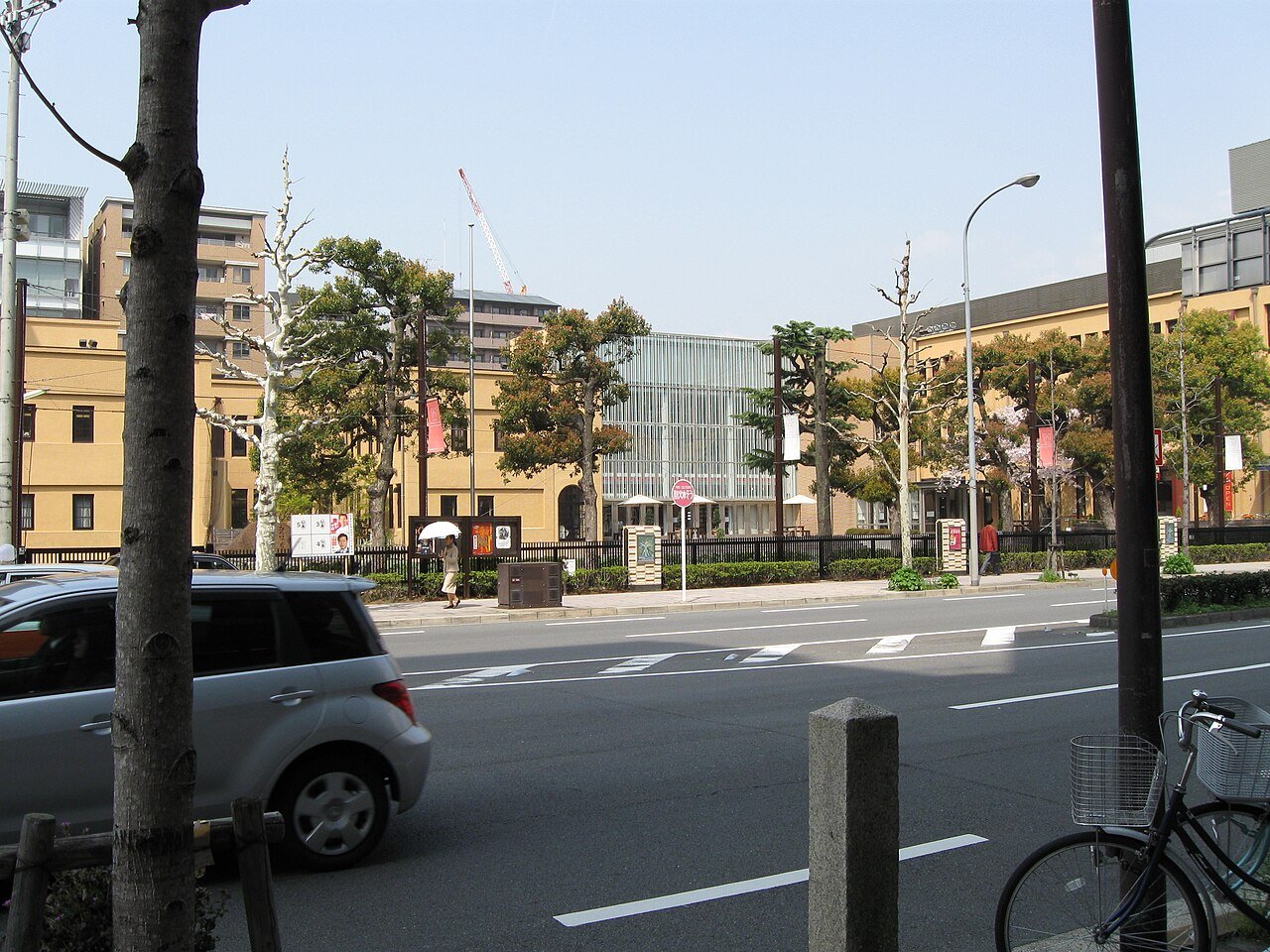
This guide is based on the museum’s published visitor and collection information. It is not an account of a recent visit, and the archival exterior photograph should not be taken as evidence of today’s exhibition layout.
Open shelves are not the whole archive
The Wall of Manga holds approximately 50,000 books on roughly 200 metres of open shelves. The museum describes their focus as publications from the 1970s onward; its FAQ more specifically describes the accessible reading selection as extending to around 2005. Much of the Wall came from the former Okubo Negishi rental bookstore.
The museum’s total collection is much larger. The visitor FAQ distinguishes the reading shelves from closed-stack magazines and other research material. Materials in the latter category require the appropriate research-room registration and advance arrangements. Do not plan around a rare magazine merely because its title appears in a collection database.
A useful plan for three different readers
| Your aim | A sensible starting point | What to confirm |
|---|---|---|
| Read and browse | Wall of Manga and the themed navigation shelf | Whether the title is actually on open shelves |
| Explore across languages | Manga Expo corner | Whether a translation you can read is present |
| Research an older magazine | Research Reference Room information | Eligibility, reservation and access to the exact item |
A visitor who reads little Japanese can still compare lettering, book formats and the arrangement of a familiar scene. But comparing visual features is not equivalent to understanding untranslated dialogue. Use a translated edition where available, and keep those two experiences distinct.
Look for the process, not only famous titles
The Manga Studio description explains that professional artists demonstrate drawing and that a separate counselling service is offered. Check the current schedule and conditions before relying on either activity. The page’s existence does not establish that a demonstration will be running at the exact hour you arrive.
One productive exercise is to note a process you normally overlook: the stage before a finished line, the division between drawing and lettering, or how a page is revised. That can give you a more specific question to take back to your own reading than simply asking which artist is best.
Return books; do not treat the collection as a lending library
The FAQ permits reading Wall of Manga books within the museum grounds and asks visitors to put them back in their original location. It says they cannot be borrowed outside the grounds. For a particular title, use the collection search or ask staff rather than reorganizing a shelf to find it.
For planning, keep three lists: books you want to inspect, activities you would like to see and items that require an advance inquiry. That avoids spending a visit waiting for access that ordinary admission does not provide. Check current opening dates and admission on the museum’s own site before travelling.
Sources & reporting notes
Sources checked 2026-10-20. Dates and availability can change after that check.
Visitor information checked October 20, 2026. Collection descriptions are approximate institutional figures, not a live inventory of every available volume.