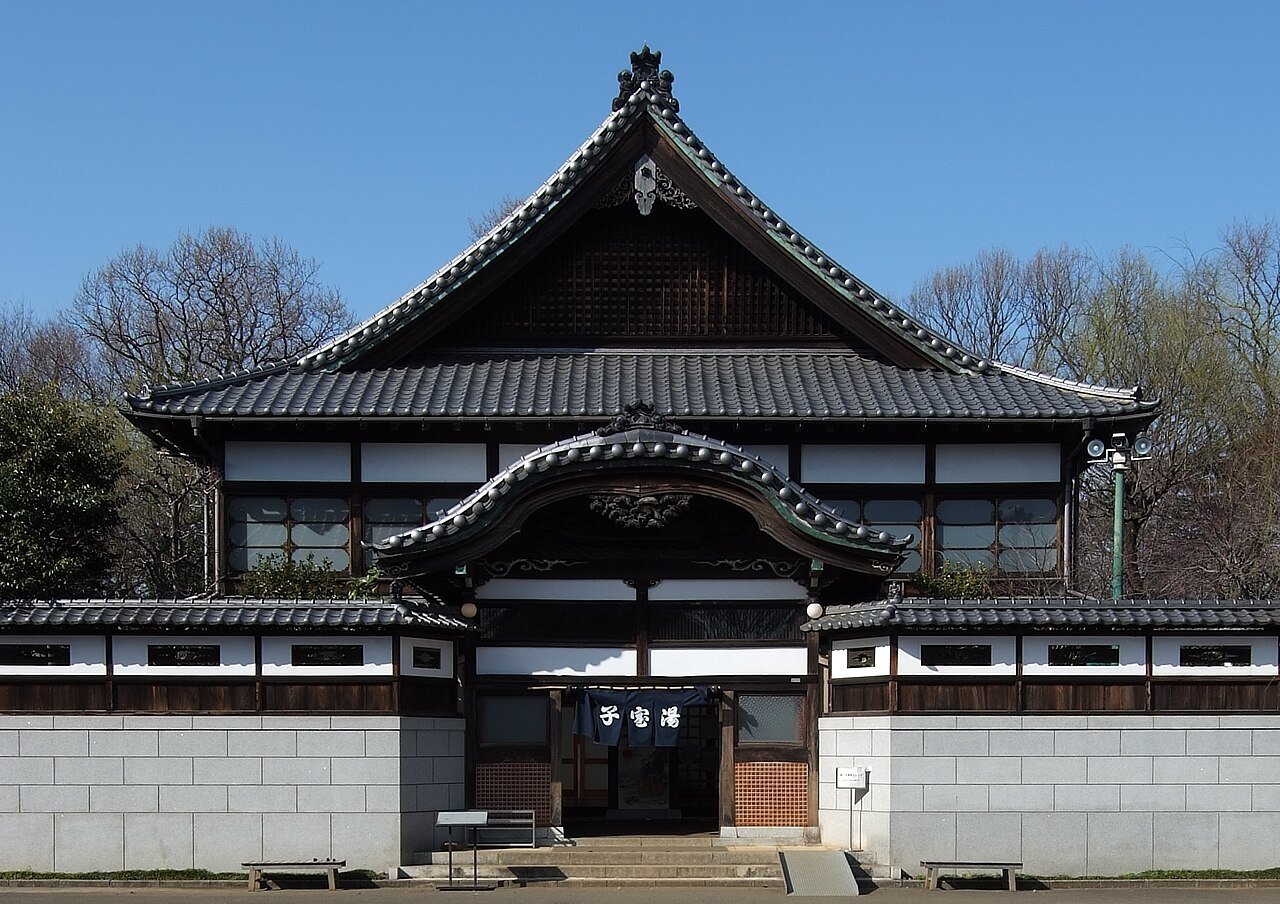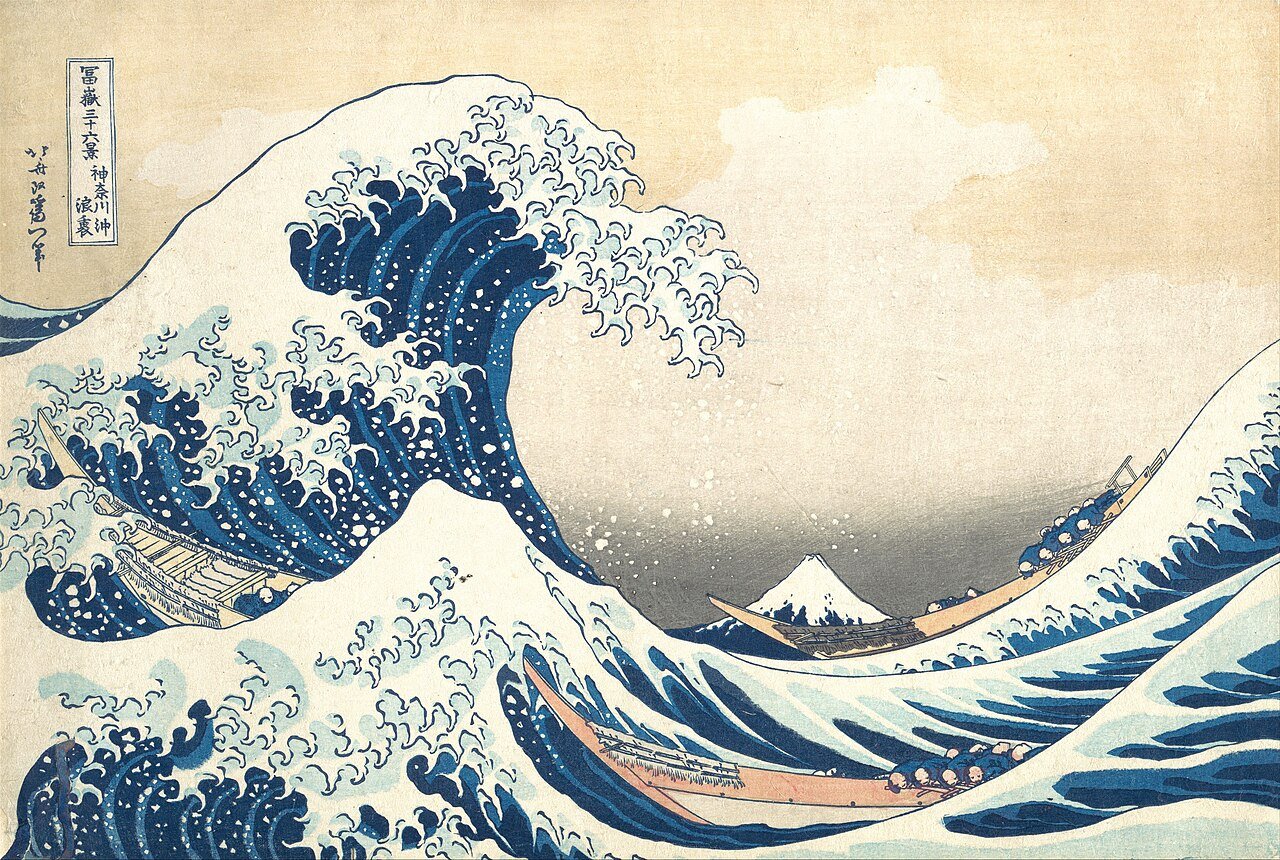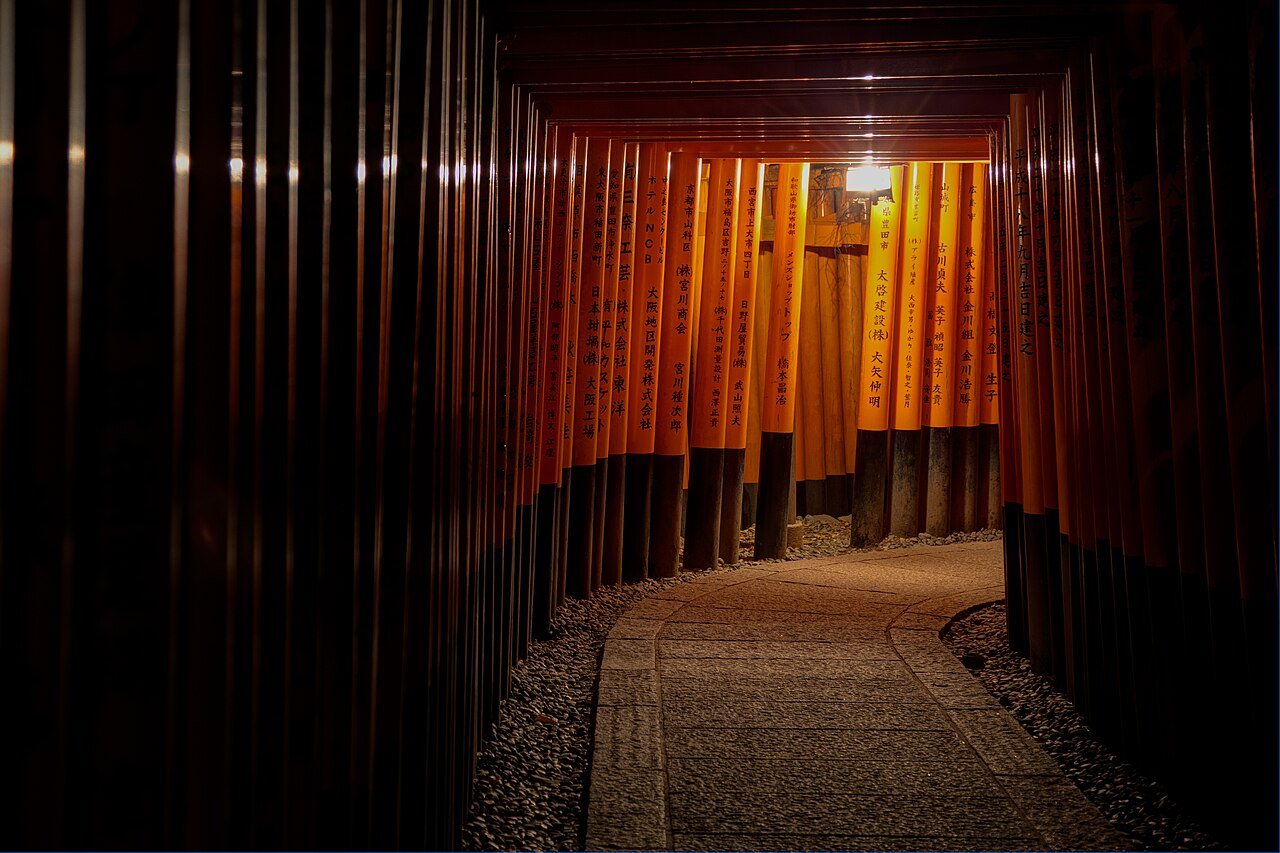
A scene in anime may show a torii gate, a fortune slip or characters bringing their hands together. Those details can prompt interest in a real religious site, but they are not a complete set of visitor instructions. The first useful question is what kind of place you are entering.
Japan National Tourism Organization’s shrine and temple guide distinguishes Shinto shrines, associated with torii gates, from Buddhist temples, whose entrances may include a sanmon gate and guardian statues. These are useful orientation clues. The site’s own signs, staff and worshippers provide the more specific context.
Three distinctions that prevent common mistakes
| Detail | Useful interpretation | What to do next |
|---|---|---|
| Torii | A strong clue that you are approaching a Shinto shrine | Identify the site and follow the marked route |
| Temple gate and Buddhist imagery | A clue to a Buddhist temple setting | Read the visitor instructions before entering halls |
| A prayer or purification area | A space with a religious function | Observe local practice and avoid blocking others |
Why copying a prayer sequence can go wrong
JNTO describes a common shrine sequence that includes bowing and clapping, while its temple guidance describes bringing the hands together without clapping. The important practical point is to avoid transferring a remembered routine to every religious setting. If the site gives a particular instruction, use that rather than this introductory summary.
You can also visit quietly without performing a ritual you do not understand. Give people who are worshipping room to approach, and move aside before discussing a scene from a series or checking a photograph.
A camera is not the only thing that can disturb a visit
The same JNTO guide asks visitors to respect photography restrictions, keep voices low and be prepared to remove shoes when required. Treat a sign saying photography is prohibited as a rule for the space, even if another visitor ignores it.
Consider where you stand as well as what you photograph. A person stopping in a doorway to compare a fictional background with a real building can interrupt the movement of everyone behind them. Step into an appropriate waiting area, check the image there and return only when there is space.
What fiction can teach you to notice
Instead of using a visit only to reproduce a shot, compare how a setting works in a story and in daily life. The camera may omit information boards, accessible routes, maintenance work or neighbouring buildings. Their presence does not make the real place less authentic. It shows that the location continues to be used beyond its fictional appearance.
This is particularly helpful on an anime-location visit. Identify what is publicly accessible, avoid private areas and check whether any activity you want to do needs permission. A fictional character’s route is not a statement of public access.
Before you leave
Check that you have followed shoe, bag and photography instructions and have left the route clear for others. If you want to learn more, record the site’s actual name and consult its own history rather than treating every shrine or temple as interchangeable scenery.
Sources & reporting notes
Sources checked 2026-10-20. Dates and availability can change after that check.
This is an introductory cultural guide based on institutional visitor information, checked October 20, 2026. Religious practices differ by site; local instructions take precedence.