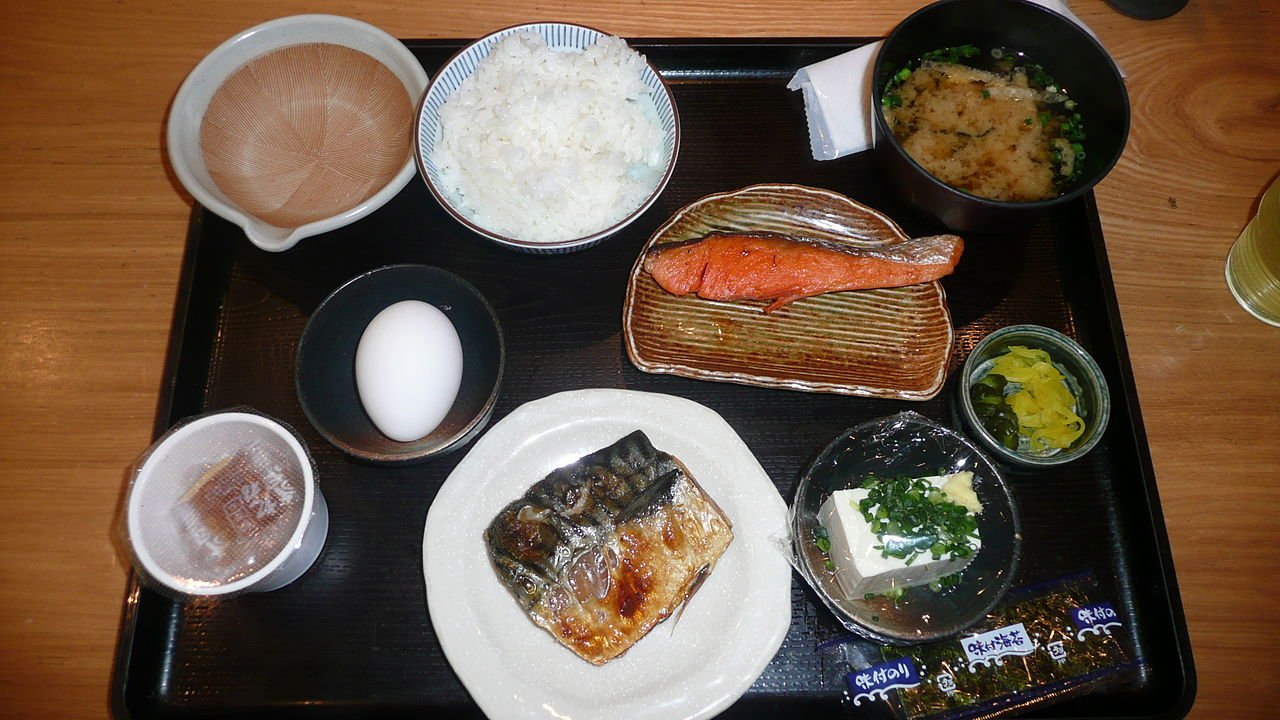
A bowl, a plate of fish and several small dishes can make Japanese food look easy to classify from a photograph. But washoku is not established simply by counting items on a tray. The more useful question is how a meal connects ingredients, preparation, seasons and the people sharing it.
UNESCO’s washoku inscription describes a social practice involving food-related knowledge, skills and traditions, particularly around New Year. It was inscribed in 2013. That recognition concerns cultural practices and transmission, not a ranking that declares individual restaurants superior or a guarantee about the health effects of every Japanese meal.
Four useful lenses
Japan’s Ministry of Agriculture, Forestry and Fisheries introduces four characteristics: respect for diverse ingredients and their flavours, balance in the meal, expression of nature and changing seasons, and connections with annual celebrations.
Use those as questions rather than a rigid authenticity test. Which ingredient is being highlighted? How do the dishes work together? Is there a seasonal association in the presentation? Is the meal part of an occasion that changes who prepares it or who eats together?
Why a seasonal detail matters
An image of a meal rarely tells you where its ingredients came from or why they were selected. A restaurant menu or a cook’s explanation may supply that context. Ask about a specific ingredient instead of assuming that everything described as seasonal has the same significance everywhere in Japan.
There is also a difference between the season depicted by a decorative motif and the actual availability of an ingredient. Both can shape an experience, but they answer different questions. A careful description names the evidence it uses.
A meal structure is not a prescription for everyone
MAFF introduces ichiju-sansai, commonly translated as one soup and three dishes, as a way of describing a traditional meal structure with rice. It is a useful cultural reference. It should not turn into a claim that all Japanese people eat this way daily or that a particular plate automatically meets an individual’s dietary needs.
The photograph here shows one breakfast in Hamamatsu in 2011. We identify that date and place because a single attractive meal cannot stand for an entire country across different regions, households and eras.
Reading a food scene in anime
Ask what the meal does in the scene. Who prepared it? Who serves and clears it? Does eating together mark a return home, an obligation or an unfamiliar relationship? The dramatic role may be more important than whether you can name every dish.
If the story associates food with a calendar occasion, consult a reliable explanation of that occasion before assigning symbolism. A repeated bowl or ingredient can be a storytelling choice without proving a universal cultural meaning.
A practical way to learn more
Choose one meal and trace one ingredient or preparation method through a reliable culinary or institutional source. Then compare the explanation with what is actually visible. Keep the distinction between observation, the source’s account and your own interpretation.
For allergies, ingredients or dietary restrictions, ask the actual provider. A broad cultural label cannot answer those practical questions, and this article does not offer nutritional advice.
Sources & reporting notes
Sources checked 2026-10-20. Dates and availability can change after that check.
Institutional information checked October 20, 2026. This article explains a cultural framework; it does not assess restaurants or claim firsthand tasting.