Update November 10, 2026: The staff talk’s scheduled November 8 date has passed. Its listing below is retained as an announcement record; the interview and film-presentation discussion remain the focus of this article.
A Silent Voice cinematographer Kazuya Takao has described how the team approached the film’s first Dolby Cinema version, with particular care over its greens and overall visual balance. His comments appeared in a MANTANWEB interview published November 5.
The interview arrives during the film’s tenth-anniversary return to Japanese cinemas. The official announcement, published in September, set October 30 as the start of the rerelease and its first Dolby Cinema screenings.
Preserving the film’s visual balance
Takao told MANTANWEB that he worked with the colorist to keep the format’s stronger contrast from excessively changing the impression of the film. He also singled out jade green as an important color in the original production and said the team took care over how greens appeared in the new presentation.
For a specific example, he pointed to the childhood classroom confrontation between Shoya and Shoko in evening light. His account connects the clearer light with small physical sounds, including clothing and desks, in the Dolby Atmos presentation. The full Japanese interview discusses that work in more detail.
What the cinema format changes
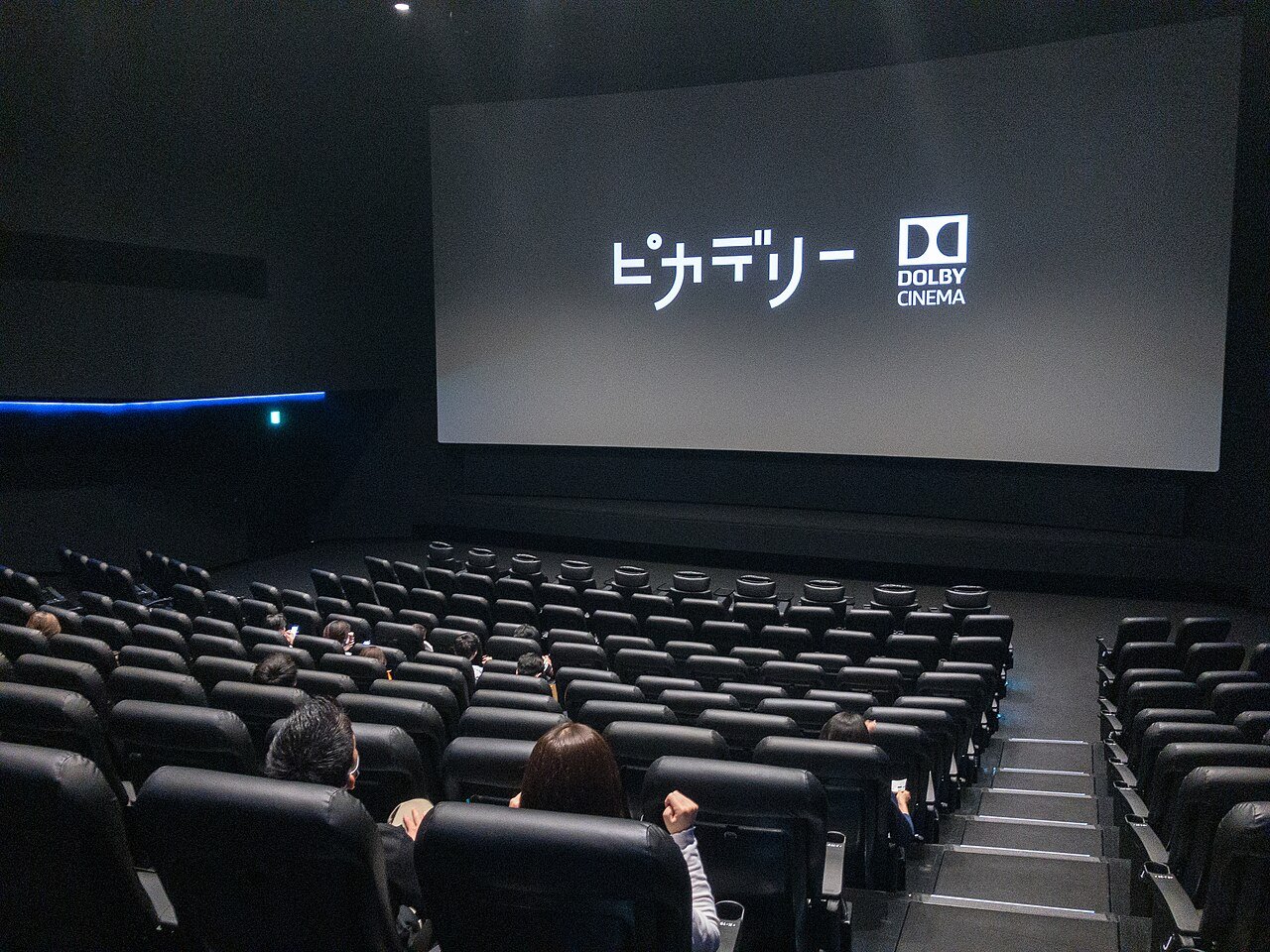
Dolby’s explanation of Dolby Cinema identifies two components: Dolby Vision projection and Dolby Atmos sound. Its cinema system uses dual 4K laser projection, while Atmos supports sound moving around the audience. These are specifications of the presentation system; they do not by themselves establish the resolution of a particular film’s original artwork.
For viewers, that makes presentation worth considering alongside screen size. An auditorium’s format can affect the relationship between bright and dark areas and the placement of sound. The creative decisions come in how those capabilities are used. More available contrast gives filmmakers choices about the image; it does not require every shot to become more forceful.
The film itself remains a useful reminder of how much an animated drama can carry through a classroom or an awkward encounter. Distributor GKIDS’ synopsis describes Shoya’s attempt to make amends to Shoko, a deaf former classmate whom he bullied. That premise gives small exchanges between the characters considerable weight.
Naoko Yamada directed the film, with a screenplay by Reiko Yoshida and animation by Kyoto Animation, as listed in the official staff credits. The anniversary presentation offers another opportunity to examine the work of that production team on a cinema screen.
The November 8 staff-talk announcement
The film’s staff-talk announcement scheduled a discussion for November 8, 2026 at Marunouchi Piccadilly Dolby Cinema in Tokyo, after the screening starting at 11:10 a.m. Takao and sound director Yota Tsuruoka were the announced guests. The proposed programme covered the new version’s production, differences from the original theatrical presentation and work involving composer Kensuke Ushio.
The announced event price was ¥2,800, with ticket sales beginning in October. The organizer warned that the schedule and guests could change. These details record the announcement, not a current ticket offer or a report of what happened at the event.
Sources & reporting notes
Sources checked 2026-11-06. Dates and availability can change after that check.
- MANTANWEB interview with Kazuya Takao, November 5, 2026
- Official tenth-anniversary rerelease announcement, September 17, 2026
- Dolby Cinema technology overview
- GKIDS: A Silent Voice synopsis
- A Silent Voice official staff credits
- Official November 8 Dolby Cinema staff talk announcement
Based on a newly published Japanese interview and official film, distributor and technology information. NextPanelTalk did not conduct the interview or attend this presentation. Technical interpretation is editorial context.